GuidesGuide
Nuclear Emergency Preparedness: What Families Should Actually Know
The IAEA issued a precautionary warning after Iran nuclear site strikes. Here's a calm, factual guide on nuclear emergency preparedness for American families.
By Editorial Team6 min read
Affiliate Disclosure: This article contains affiliate links. We may earn a commission if you purchase through these links, at no extra cost to you. Our editorial recommendations are independent of these partnerships. Learn about our editorial standards.
Key Takeaways
- 1KI tablets only protect thyroid from radioactive iodine — only useful within 10 miles of a nuclear plant
- 2Shelter-in-place is the #1 protective action: go to basement or interior room, seal with plastic sheeting
- 3A NOAA emergency radio (Midland ER310, $39) is essential for receiving official guidance in real-time
- 4Most nuclear scenarios are survivable with basic prep: radio, shelter plan, 72-hour food/water supply
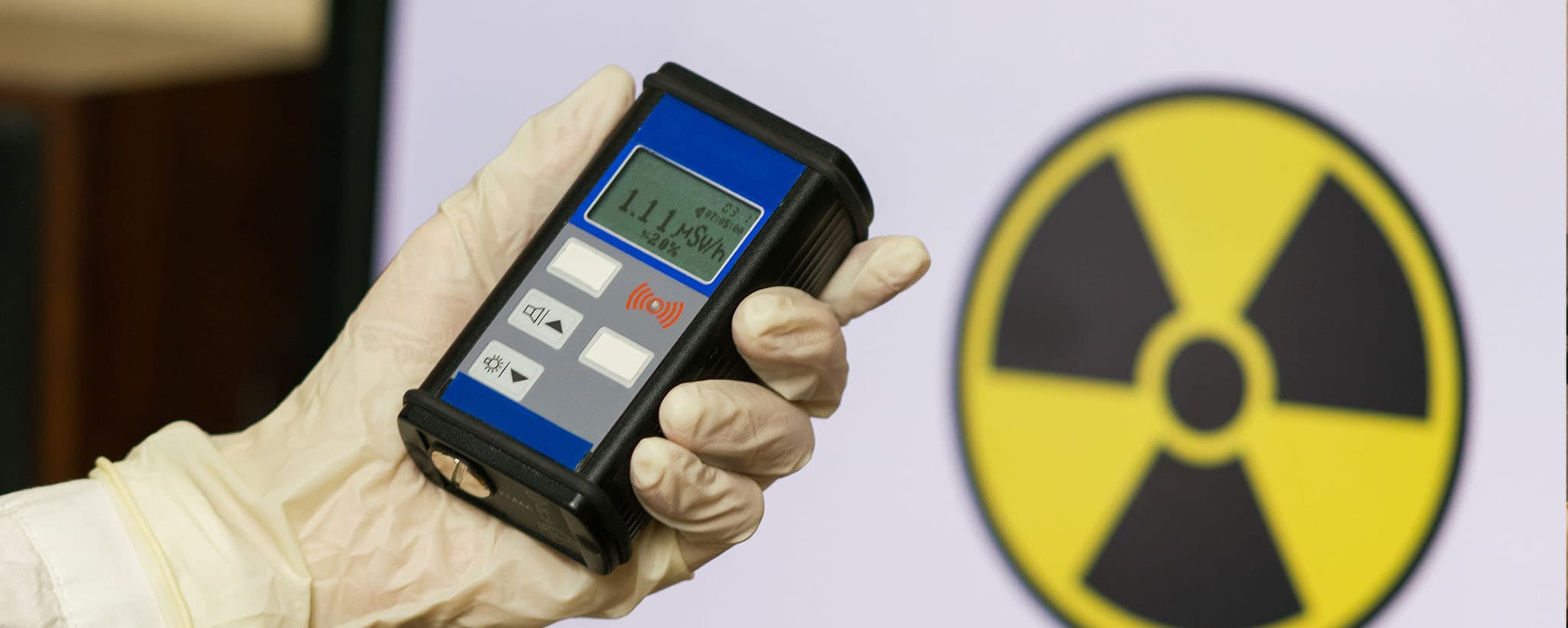
On March 1, 2026, the International Atomic Energy Agency (IAEA) issued a precautionary advisory following US and Israeli strikes on Iran's Fordow enrichment facility and Natanz nuclear complex. The IAEA's statement was carefully worded: no elevated radiation levels had been detected, and the advisory was explicitly precautionary in nature.
Here's what's important to understand upfront: nuclear emergency preparedness for American families is not about surviving a nuclear war. It's about knowing what to do — and what not to panic about — if a radiological event occurs. That might mean a reactor accident, a dirty bomb, or the very unlikely scenario of nuclear weapon detonation.
This guide is grounded in guidance from the NRC, CDC, FEMA, and the EPA. It covers what nuclear preparedness actually means for a suburban American family, what practical supplies make sense, and how to access reliable information when it matters most.
Key Takeaways
- The IAEA's March 1, 2026 advisory was precautionary — no radiation elevation was detected.
- The most likely nuclear emergencies for US families are power plant accidents (most probable) and dirty bombs (moderate concern), not nuclear weapons.
- The three pillars of response: Get Inside, Stay Inside, Stay Tuned — the core of FEMA/NRC guidance.
- A reliable emergency radio is your most important purchase: when the internet goes down, NOAA radio is your official information source.
Understanding the Actual Threat Landscape
Nuclear Power Plant Accident
The most realistic nuclear emergency for American families living within 50 miles of a nuclear power plant. There are 93 operating commercial nuclear reactors in the US across 28 states. The NRC maintains Emergency Planning Zones (EPZ) for every US nuclear plant: a 10-mile radius for immediate protective action, and a 50-mile radius for food/water monitoring.
Dirty Bomb (Radiological Dispersal Device)
A dirty bomb combines conventional explosives with radioactive material. It is designed to contaminate an area and create panic — not to cause mass casualties through radiation. The NRC and DHS both note that the primary risks are the initial blast and contamination of a localized area (typically a few city blocks).
Operation Epic Fury: The Iran Context
The IAEA's precautionary statement reflects responsible monitoring, not evidence of imminent danger to the American public. Both Fordow and Natanz are enrichment sites, not reactors — they contain uranium hexafluoride gas, not highly radioactive spent fuel. Any radiological release would be localized, posing essentially no credible threat to US soil.
Why The IAEA Warning Doesn't Mean Danger to US Families
The IAEA monitors radiological safety globally. A precautionary advisory means "we are watching this closely" — not "there is a danger to you." Radiation monitoring data from the IAEA and EPA's RadNet is publicly available in real time. As of the date of this article, no elevated readings have been recorded outside the immediate strike area.
The Three Pillars of Nuclear Emergency Response
If you take nothing else from this guide, remember three words: Get Inside. Stay Inside. Stay Tuned.
Get Inside
Moving inside a substantial building provides meaningful shielding from external radiation and prevents inhalation of radioactive particles. A brick or concrete building reduces exposure by a factor of 10 or more. A wood-frame home with windows and doors closed reduces exposure by a factor of 2–3. A basement reduces exposure by a factor of 10–40.
Stay Inside
Most radioactive plumes from accidents or dirty bombs pass within hours. Every hour you spend inside is an hour of reduced exposure. In the critical first 24 hours, staying inside is significantly better than being outside. You don't need a sealed bunker — a standard home with windows and doors closed and HVAC turned off provides meaningful protection.
Stay Tuned
Official information during a radiological emergency comes through NOAA Weather Radio, the Emergency Alert System, local emergency management agencies, and EPA RadNet (real-time radiation monitoring). This is why a battery-powered or hand-crank emergency radio is the single most important piece of nuclear preparedness equipment.
Don't Rely on Your Phone Alone During an Emergency
During major emergencies, cell networks become congested quickly. NOAA weather radio broadcasts on dedicated frequencies (162.400–162.550 MHz) that function independently of cell infrastructure and internet. Every prepared household should have a battery-powered or hand-crank emergency radio that receives NOAA broadcasts.
Essential Supplies for Nuclear Emergency Preparedness
Emergency Radio: Your Lifeline for Official Information
The Midland ER310 is our top pick for most households. It receives all 7 NOAA weather radio channels, has an alert feature that activates the radio when an emergency broadcast is issued, and includes both battery power and hand-crank backup.
Midland ER310 Emergency Radio
Pros
- All 7 NOAA weather radio channels with automatic alert activation
- Multiple power sources: AA batteries, hand crank, and USB charging
- Alert mode activates even when radio is off — you won't miss an emergency broadcast
- Bright LED flashlight included
Cons
- AM/FM reception can be variable in areas with weak signal
- No Bluetooth or digital display
- Hand crank requires significant effort to generate meaningful charge
The Eton FRX5-BT offers similar NOAA coverage with added Bluetooth audio and a larger solar panel. The Kaito KA500 is a well-regarded budget option covering AM/FM/NOAA/SW bands.
Water: Why It Matters in a Radiological Event
Following a nuclear plant accident or dirty bomb event, local water supplies may be placed under precautionary advisories. Water stored in sealed containers before the event is safe. Having 1 gallon per person per day for at least 72 hours is standard FEMA guidance.
A gravity-fed water filter like the Big Berkey provides additional protection for filtering well water or collected rainwater if you need to extend your supply beyond stored reserves.
Emergency Food: 72-Hour Minimum, 30-Day Better
If you're sheltering in place for 24–72 hours, you need food that requires no cooking or minimal preparation — and that was sealed before any potential contamination. Pre-packaged emergency food kits in sealed foil pouches are ideal. The ReadyWise 72-Hour Kit provides meals for one person for three days.
Potassium Iodide (KI) Tablets: Who Actually Needs Them
KI tablets protect only the thyroid gland from absorbing radioactive iodine (I-131). KI does not protect against all radiation, does not prevent other types of radiological injury, and must be taken before exposure or within a few hours after to be effective.
The NRC recommends KI primarily for people who live within 10 miles of a nuclear power plant. The CDC notes KI is most important for children (whose thyroids are more sensitive) and less critical for adults over 40. ThyroSafe and Iosat are the two FDA-approved brands.
KI Tablets: What They Do and Don't Do
Potassium iodide (KI) blocks the thyroid from absorbing radioactive iodine. It does NOT protect against whole-body radiation, gamma rays, dirty bombs using non-iodine isotopes, or any source other than I-131. It is primarily relevant for nuclear power plant accidents within 10–20 miles. Timing matters: KI is most effective 1–4 hours before exposure or immediately after.
Building Your Nuclear Emergency Plan
Know Your Local Nuclear Facilities
The NRC maintains a public map of all operating nuclear power plants and their Emergency Planning Zones. If you live within 50 miles of a plant, know its name, know your county's evacuation routes, and verify that your household's emergency kit is current.
Pre-Plan Your Shelter-in-Place Location
In a single-family home, the interior room with the fewest windows and exterior walls provides the best impromptu fallout shelter. A first-floor interior bathroom, large closet, or basement room works well. Keep a roll of plastic sheeting and duct tape in your emergency kit for sealing gaps around doors and windows.
Stay Informed Through Official Channels Only
During a radiological event, social media will fill rapidly with inaccurate information. Your reference points should be FEMA, your state emergency management agency, and the NRC — accessed through their official websites or broadcasts on NOAA Weather Radio.
Frequently Asked Questions
Should I stockpile potassium iodide (KI) tablets?
If you live within 10 miles of a nuclear power plant, having KI on hand is reasonable. For most American families who don't live near a nuclear facility, KI is a lower priority. Contact your state emergency management agency — many distribute KI free to residents within EPZ boundaries.
Do I need a specialized radiation detector?
For general household preparedness, a commercial radiation detector is a nice-to-have, not a necessity. Official emergency management agencies will issue guidance based on their own monitoring networks. An emergency radio to receive official guidance is a more practical investment.
What should I do if I'm outside when a nuclear emergency alert is issued?
Go inside as quickly as possible. Don't stop to pick up children from school — school emergency plans include shelter-in-place protocols. Once inside, remove and bag your outer clothing, shower with soap and water, and tune to official emergency broadcasts.
Is stored food safe after a nuclear event?
Food stored in sealed containers before a radiological event is safe to eat. Don't consume fresh produce, dairy, or meat from potential contamination zones until authorities declare them safe. Municipal tap water is generally safe but follow local advisories.
Is the Iran nuclear facility strike a threat to people in the US?
Based on all available evidence as of March 2026, no. The Fordow and Natanz facilities are uranium enrichment sites, not reactors. Any radiological release from structural damage would be localized to the immediate area. The continental United States is not at risk from this specific event.
What's the most important thing I can do right now?
Own and know how to use a battery-powered or hand-crank emergency radio that receives NOAA weather broadcasts. This single item connects you to official emergency management guidance — which determines how you should respond during any emergency.
Frequently Asked Questions
Bottom Line
Nuclear emergency preparedness for American families is fundamentally about being informed, not being fearful. For most households, three investments cover the realistic scenarios well: a reliable NOAA emergency radio, a 72-hour food and water supply, and a clear shelter-in-place plan for your home.
If you live within 10 miles of a nuclear power plant, add KI tablets to that list. The goal isn't to prepare for catastrophe — it's to be ready to respond calmly and correctly when official guidance comes through.
Where to Buy
We may earn a commission when you purchase through these links, at no extra cost to you. This supports our independent research.
Related Articles

Guides
Checklist
The Complete Emergency Preparedness Checklist for 2026 (Updated)
The complete emergency preparedness checklist for 2026 — water, food, power, communications, first aid, documents, shelter, and evacuation. Updated for current events and products.
Read more →
Guides
Comparison
Best Air Purifiers for Wildfire Smoke and Emergency Air Quality (2026)
Find the best air purifier for wildfire smoke in 2026. We compare True HEPA models by CADR, room coverage, and activated carbon filtration — plus how to run them during power outages.
Read more →

Guides
Pillar
Hurricane Prep 2026: How to Get Ready Before the Season Starts
Get your home and family ready for the 2026 Atlantic hurricane season with this complete guide: emergency kit, power backup, home hardening, evacuation plan, and insurance checklist.
Read more →

Emergency Food
Guide
Growing Your Own Emergency Food Garden: A Beginner's Guide
Learn how to grow an emergency food garden as a beginner — best crops, planting calendar, seed saving, and how to store what you grow for year-round food security.
Read more →