GuidesGuide
Nuclear Preparedness Supplies: What You Actually Need
Cut through the noise with this evidence-based nuclear preparedness guide. Learn what supplies actually matter based on government recommendations and radiation science.
By Editorial Team2 min read
Affiliate Disclosure: This article contains affiliate links. We may earn a commission if you purchase through these links, at no extra cost to you. Our editorial recommendations are independent of these partnerships. Learn about our editorial standards.
Key Takeaways
- 1Potassium Iodide (KI) tablets are only useful for nuclear plant accidents — take within 2-4 hours of exposure
- 2Seal one interior room with 4-6 mil plastic sheeting and duct tape for shelter-in-place protection
- 3Fallout radiation drops 90% after 7 hours and 99% after 48 hours — stay inside at least 24 hours
- 4Skip hazmat suits and Geiger counters — focus budget on KI, plastic sheeting, sealed food/water, and a radio
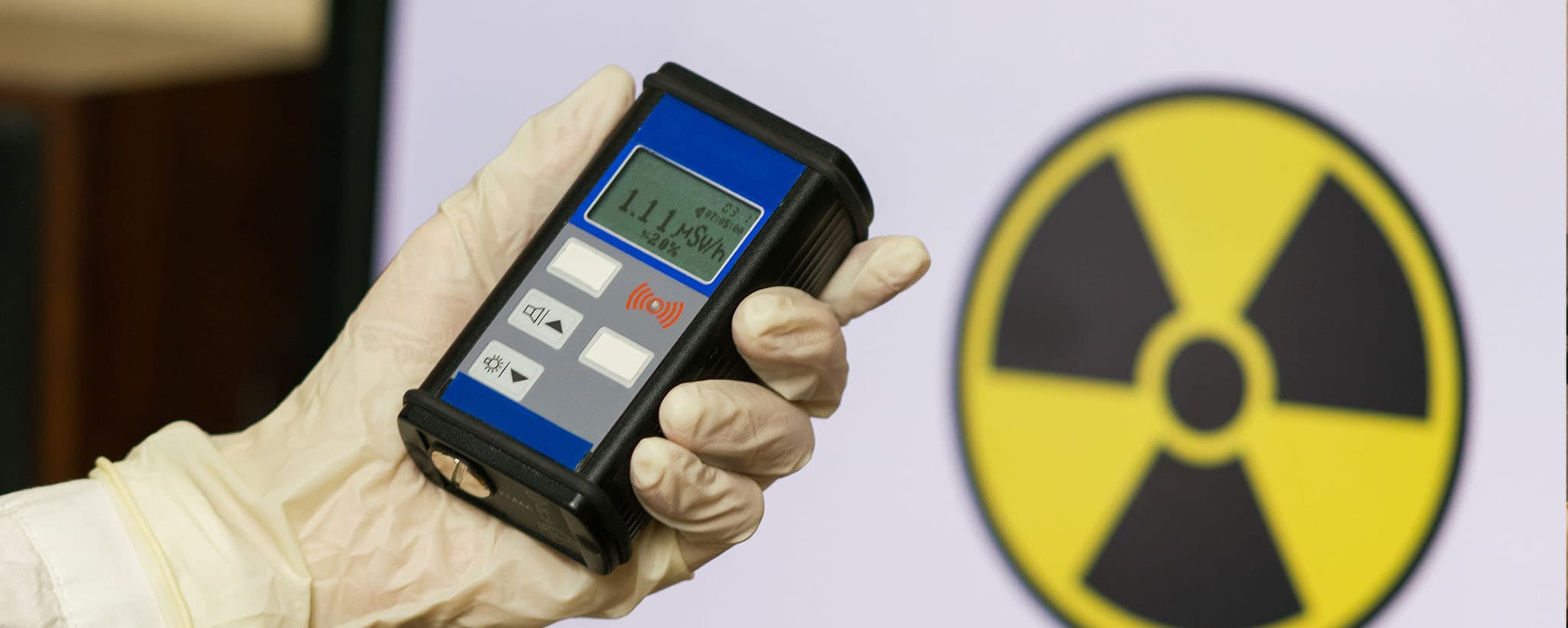
Nuclear preparedness is one of the most searched topics in emergency prep — and one of the most misunderstood. Most "nuclear survival" content online is either overly alarmist or dangerously oversimplified. This guide uses actual government guidelines (FEMA, REMM, CDC) and radiation science to tell you exactly what you need and what you don't.
Understanding the Actual Threats
There are different nuclear scenarios with very different preparation needs: a nuclear power plant accident (like Fukushima), a radiological dispersal device ("dirty bomb"), and a nuclear detonation. Each requires different responses, but many preparations overlap.
The good news: for all scenarios, the basic principle is the same — maximize shielding, maximize distance, and minimize time of exposure. A well-prepared household can dramatically improve survival odds.
Essential Supplies: The Evidence-Based List
Potassium Iodide (KI) tablets: Only useful for radioactive iodine exposure (nuclear plant accidents). Take within 2-4 hours of exposure. FDA-approved brands only: iOSAT or ThyroSafe. Adults: 130mg dose.
Plastic sheeting and duct tape: FEMA recommends having enough heavy-duty plastic (4-6 mil) to seal one interior room. Pre-cut pieces for each window, door, and vent. This creates a temporary sheltering-in-place room.
NIOSH-approved N95 or P100 respirator masks: For filtering radioactive particles during evacuation. Stock at least 5 per person. N95 filters 95% of particles; P100 filters 99.97%.
A NOAA weather radio with battery backup is essential for receiving official emergency alerts and instructions. The Midland ER310 with its multiple power sources is our top recommendation.
Water and Food Considerations
Sealed water containers are safe from fallout contamination. Any water stored before an event is safe. For ongoing water needs, a quality filter like the Big Berkey removes many contaminants but does NOT remove dissolved radioactive materials — use sealed stored water first.
Sealed, packaged food (canned goods, freeze-dried meals) is safe from radiation. Any food in sealed containers before an event is uncontaminated. Avoid fresh produce, milk, and open water sources until authorities declare them safe.
Shelter-in-Place Protocol
Go to the center of your building, as far from exterior walls and roof as possible. A basement or interior room on a low floor is ideal. Seal the room with plastic sheeting and duct tape. Turn off HVAC systems. Stay inside for at least 24 hours — fallout radiation decreases by 90% after 7 hours and 99% after 48 hours.
This is called the 7-10 rule: for every 7-fold increase in time, radiation decreases by a factor of 10. After 49 hours (7x7), radiation is at 1% of initial levels.
What You Don't Need
Skip the hazmat suits (expensive, impractical for most people), Geiger counters (unless you have training), underground bunkers (cost vs. probability doesn't justify for most), and massive iodine stockpiles (you only need a few days' worth). Focus your budget on practical supplies that work for any emergency.
Frequently Asked Questions
Final Thoughts
Nuclear preparedness boils down to three actions: have a shelter-in-place plan, stock essential supplies (KI, plastic sheeting, sealed food and water, radio), and stay informed through official channels. These same supplies serve you well in any emergency scenario.
Where to Buy
We may earn a commission when you purchase through these links, at no extra cost to you. This supports our independent research.
Related Articles

Guides
Checklist
The Complete Emergency Preparedness Checklist for 2026 (Updated)
The complete emergency preparedness checklist for 2026 — water, food, power, communications, first aid, documents, shelter, and evacuation. Updated for current events and products.
Read more →
Guides
Comparison
Best Air Purifiers for Wildfire Smoke and Emergency Air Quality (2026)
Find the best air purifier for wildfire smoke in 2026. We compare True HEPA models by CADR, room coverage, and activated carbon filtration — plus how to run them during power outages.
Read more →

Guides
Pillar
Hurricane Prep 2026: How to Get Ready Before the Season Starts
Get your home and family ready for the 2026 Atlantic hurricane season with this complete guide: emergency kit, power backup, home hardening, evacuation plan, and insurance checklist.
Read more →