Water FiltrationComparison
Best Water Filters for Emergency Preparedness (2026 Review)
Reviews of the 5 best water filters for emergency preparedness in 2026, covering gravity filters, pump filters, squeeze filters, and purifiers with flow rate and capacity comparison.
By Editorial Team3 min read
Affiliate Disclosure: This article contains affiliate links. We may earn a commission if you purchase through these links, at no extra cost to you. Our editorial recommendations are independent of these partnerships. Learn about our editorial standards.
Key Takeaways
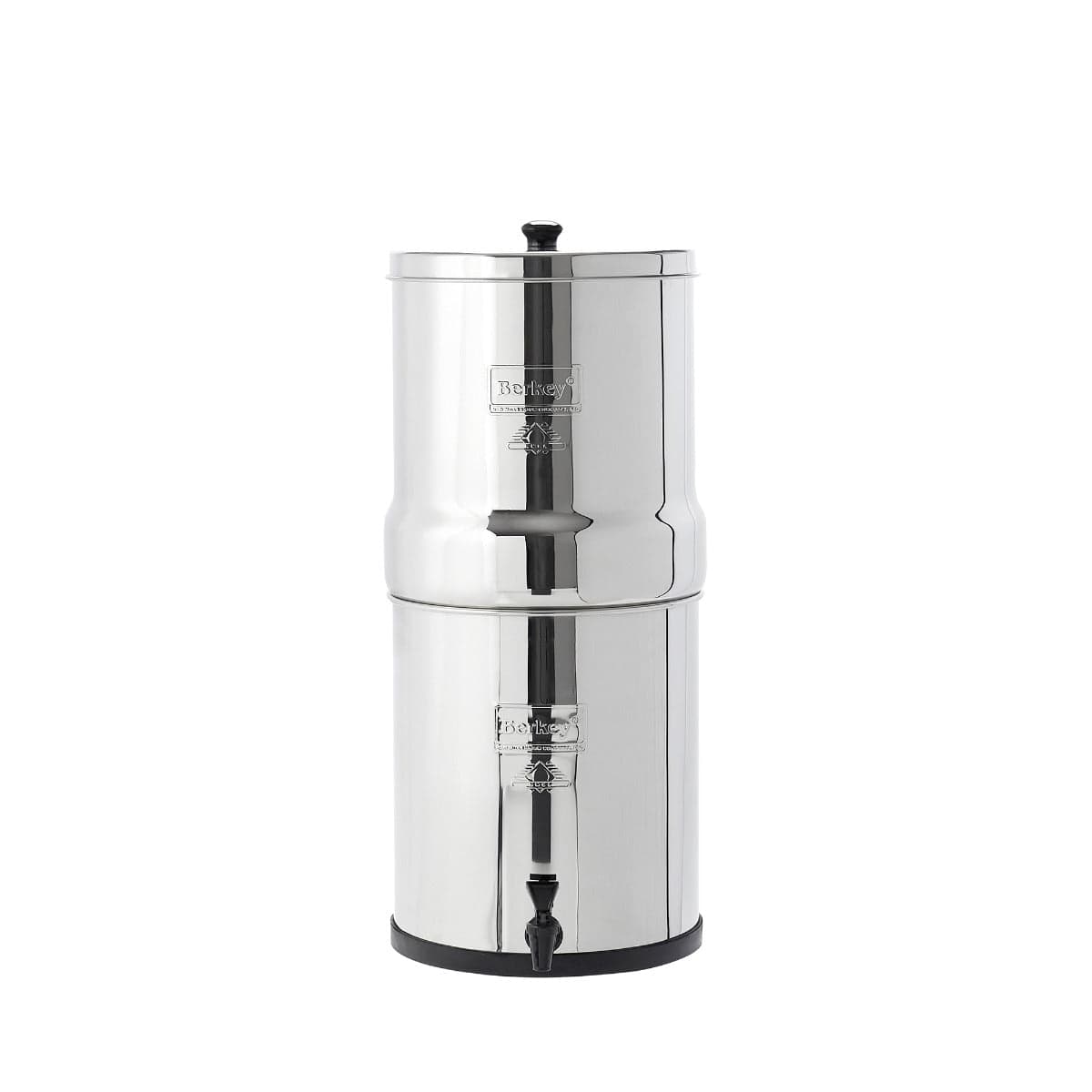
- 1Big Berkey ($399) is the #1 home emergency filter — gravity-fed, no power needed, filters 6,000 gallons per element pair
- 2Sawyer Squeeze ($37) is the must-have portable filter — 3 oz, 100,000-gallon capacity, fits any bug-out bag
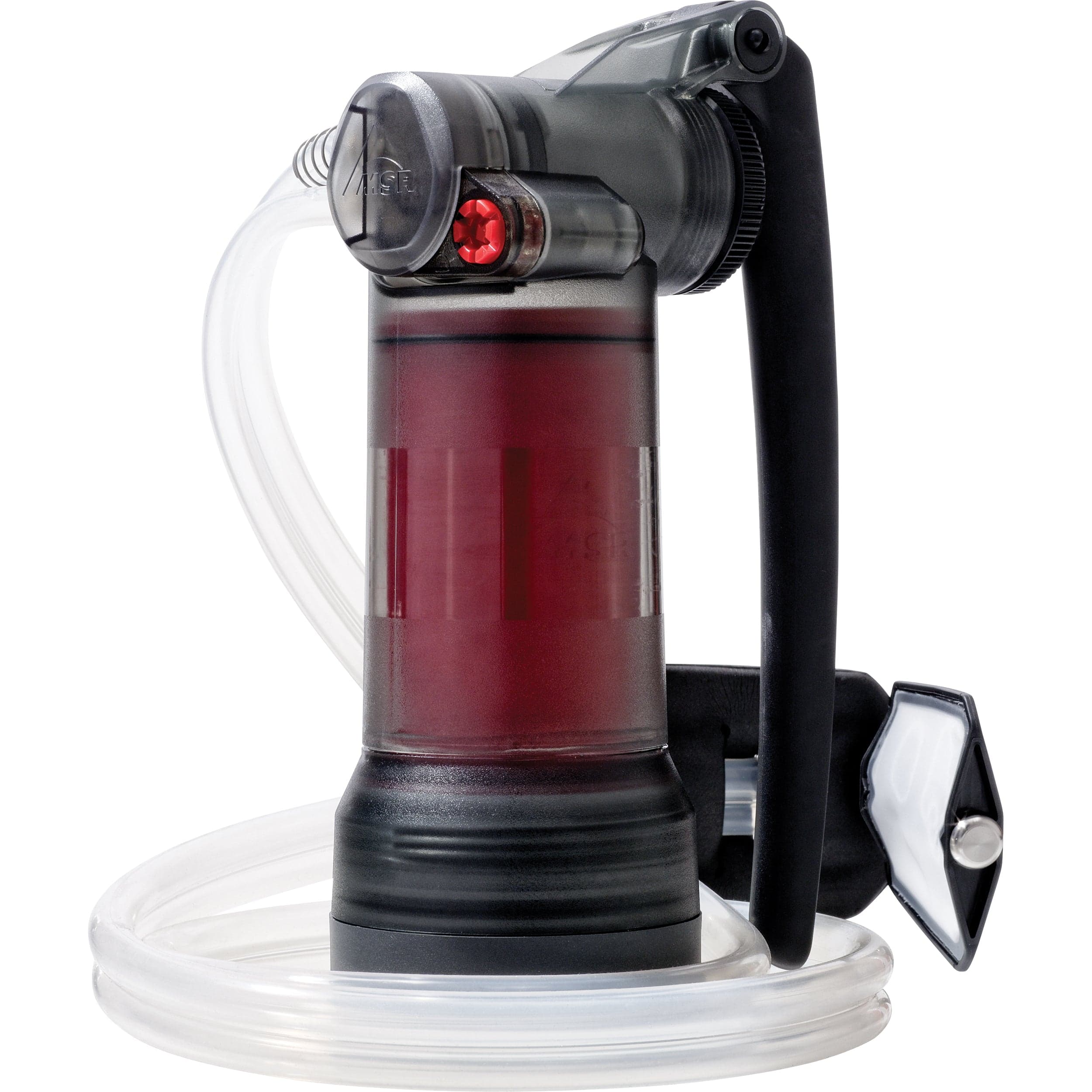
- 3MSR Guardian ($349) is the only portable pump that removes viruses — essential for post-disaster sewage contamination
- 4Use a layered approach: stored water (72 hrs) + home filter (Berkey) + portable filter (Sawyer) in go-bag
Introduction
Most people assume their tap water will continue flowing during an emergency. That assumption is increasingly fragile.
When the grid goes down, water treatment plants — which rely on electrical pumps, UV disinfection systems, and automated chemical dosing — go down with it. The American Water Works Association (AWWA) reported in 2025 that an estimated 80% of US water utilities lack adequate backup power generation to operate through an extended outage.
This guide reviews the five best water filters for emergency preparedness in 2026, covering gravity filters, pump filters, squeeze filters, and advanced purifiers that remove bacteria, protozoa, and even viruses from untreated water sources.
Key Takeaways
- The Big Berkey is our top pick for home-based preparedness: high capacity, zero electricity needed.
- The MSR Guardian is the only filter reviewed here that removes viruses — essential for unknown water sources.
- The Sawyer Squeeze offers the best value: 100,000-gallon lifetime capacity for under $40.
- The LifeStraw is the most portable option — a single-person straw filter ideal for evacuation bags.
- A layered approach is best: a Berkey at home, and a Sawyer Squeeze or LifeStraw in each emergency bag.
Why Your Home Water Supply May Not Be Safe During an Emergency
Water treatment plants use electricity at every stage: pumping raw water, powering filtration and disinfection systems, maintaining pressure in distribution pipes, and running monitoring equipment. According to AWWA, only an estimated 15–20% of US water utilities have backup generation capacity sufficient for a multi-day outage.
Volt Typhoon and Water Infrastructure
CISA and the FBI have issued joint advisories about Volt Typhoon, a China-linked threat actor that has compromised US critical infrastructure — including water utilities. The practical takeaway for households: municipal water reliability during an extreme event cannot be taken for granted.
Beyond grid-related risks, municipal water can also become contaminated after flooding events. Having a reliable water filtration system at home is a straightforward response to a well-documented infrastructure vulnerability.
Quick Comparison: 5 Best Emergency Water Filters
Emergency Water Filters Compared
| Feature | |||||
|---|---|---|---|---|---|
| Price | ~$330–$450 | ~$350 | ~$35–$40 | ~$75 | ~$15–$20 |
| Filter Lifespan | 6,000 gallons/set | 10,000 liters/element | 100,000 gallons (lifetime) | 200 gallons/cartridge | 1,000 gallons |
| Flow Rate | ~1.5 GPH (gravity) | ~2.5 L/min (pump) | ~0.5 L/min (squeeze) | ~1 L/min (pump) | Direct drink |
| Removes Viruses? | No (add-on available) | Yes | No | No | No |
| Best For | Home base preparedness, families | Unknown water sources, highest protection | Emergency bags, value, long-term storage | Outdoor use, smaller households | Single-person emergency use, evacuation kits |
Big Berkey Water Filter
~$330–$450
- Filter Lifespan
- 6,000 gallons/set
- Flow Rate
- ~1.5 GPH (gravity)
- Removes Viruses?
- No (add-on available)
- Best For
- Home base preparedness, families
MSR Guardian Purifier
~$350
- Filter Lifespan
- 10,000 liters/element
- Flow Rate
- ~2.5 L/min (pump)
- Removes Viruses?
- Yes
- Best For
- Unknown water sources, highest protection
Sawyer Squeeze
~$35–$40
- Filter Lifespan
- 100,000 gallons (lifetime)
- Flow Rate
- ~0.5 L/min (squeeze)
- Removes Viruses?
- No
- Best For
- Emergency bags, value, long-term storage
Katadyn Hiker Pro
~$75
- Filter Lifespan
- 200 gallons/cartridge
- Flow Rate
- ~1 L/min (pump)
- Removes Viruses?
- No
- Best For
- Outdoor use, smaller households
LifeStraw Personal
~$15–$20
- Filter Lifespan
- 1,000 gallons
- Flow Rate
- Direct drink
- Removes Viruses?
- No
- Best For
- Single-person emergency use, evacuation kits
Big Berkey Water Filter
The Big Berkey is our top pick for home-based emergency water filtration. It works entirely by gravity — no electricity, no pumping — and filters at a rate sufficient for a family of four. Each pair of Black Berkey filter elements is rated for 6,000 gallons before replacement — roughly a 5–10 year supply for most households.
The filters reduce bacteria and protozoa by over 99.9%, along with heavy metals, chlorine, chloramines, and volatile organic compounds. One important limitation: the standard elements do not remove viruses.
Big Berkey Water Filter
Pros
- Gravity-fed system requires no electricity, pumping, or running water
- 6,000-gallon filter lifespan per set (approximately 3–5 years for a family of four)
- Reduces bacteria and protozoa by 99.9%+, plus heavy metals, chlorine, and VOCs
- Durable stainless steel construction; sufficient flow rate (~1.5 GPH) for a family
Cons
- Does not remove viruses with standard filters (add-on required)
- Requires 1–2 hours of setup initially; not for grab-and-go use
- Replacement filter sets cost $100–$130; relatively large (19.25" tall)
MSR Guardian Purifier
The MSR Guardian is the most technologically capable filter in this review — and the only one that removes viruses as well as bacteria and protozoa. It uses a self-cleaning hollow fiber membrane with a 0.02-micron pore size. The pump delivers 2.5 liters per minute — faster than any other filter in this guide.
MSR Guardian Purifier
Pros
- Removes viruses (0.02-micron pore size), bacteria, and protozoa — the most complete protection
- 2.5 L/min flow rate is the fastest in this comparison
- Self-cleaning mechanism: field-maintainable without tools
- 10,000-liter filter lifespan; trusted by military and humanitarian organizations
Cons
- ~$350 is the highest upfront cost; overkill for most suburban emergency scenarios
- Pump-based operation requires physical effort; not set-it-and-forget-it like the Berkey
- Heavier and bulkier than the Sawyer or LifeStraw
Sawyer Squeeze Water Filter
The Sawyer Squeeze is the most cost-effective water filter in emergency preparedness. At $35–$40, it filters up to 100,000 gallons over its lifetime with a 0.1-micron hollow fiber membrane that removes 99.99999% of bacteria and 99.9999% of protozoa.
Sawyer Squeeze Water Filter
Pros
- 100,000-gallon lifetime rating — effectively a lifetime supply for one person
- Weighs just 3 ounces; easily fits in any bag or pocket
- Backwashable: use included syringe to restore full flow rate
- Under $40 — the best value in this category
Cons
- Does not remove viruses — a limitation for high-risk water sources
- Squeeze pouch can develop leaks over time; replacement pouches recommended
- Slower than pump filters for large volumes; better for personal use
LifeStraw Personal Water Filter
The LifeStraw is the simplest and most portable water filter available. You drink directly through the straw, which filters water through a 0.2-micron hollow fiber membrane. At ~$15–$20, it's the most affordable option. Each unit filters approximately 1,000 gallons.
LifeStraw Personal Water Filter
Pros
- Smallest and lightest filter reviewed (2 oz, 9 inches long)
- Under $20; accessible for multi-person emergency kits
- No moving parts, no chemicals, no electricity; simple and reliable
- 1,000-gallon lifespan sufficient for one person for 2+ years
Cons
- Does not remove viruses
- Cannot fill containers without a separate adapter
- Does not work after freezing — a meaningful cold-weather limitation
- 1,000-gallon lifespan is lower than others; plan to replace over time
Katadyn Hiker Pro Water Filter
The Katadyn Hiker Pro is a pump-based filter at ~$75, using a pleated glass fiber filter with activated carbon core. It pumps approximately 1 liter per minute. Each cartridge handles 200 gallons before replacement.
Katadyn Hiker Pro Water Filter
Pros
- Compact pump filter with 1 L/min output; practical for field conditions
- Activated carbon core reduces chlorine taste and odor
- Well-supported by Katadyn; replacement cartridges widely available
- Durable and reliable; trusted brand with decades of field use
Cons
- 200-gallon cartridge life is the lowest reviewed; plan for cartridge rotation
- Does not remove viruses
- More expensive than Sawyer Squeeze for less overall filter lifespan
Flow Rate and Capacity at a Glance
A family of four needs approximately 4 gallons (15 liters) of water per day for drinking and cooking. Big Berkey: ~2.7 hours passive. MSR Guardian: ~6 minutes pumping. Katadyn Hiker Pro: ~15 minutes pumping. Sawyer Squeeze: ~30 minutes active squeezing. LifeStraw: not practical for batch filtering.
How to Choose the Right Emergency Water Filter
- For home-based preparedness (urban or suburban): The Big Berkey is the clear choice — high daily volume, passive operation.
- For emergency go-bags: One Sawyer Squeeze per adult and one LifeStraw per child.
- For maximum-spectrum protection: Add the MSR Guardian for virus removal from unknown water sources.
- For outdoor-oriented preparedness: The Katadyn Hiker Pro is a solid all-rounder; stock extra cartridges.
The Layered Approach
- Home base: Big Berkey with two Black Berkey filter elements (gravity, high capacity)
- Emergency bag: Sawyer Squeeze per adult, LifeStraw per child (portable, lightweight)
- Optional upgrade: MSR Guardian if flood or surface water risk is high
- Total investment: approximately $380–$500 — comparable to two months of bottled water for a family of four, and indefinitely reusable.
Frequently Asked Questions
How much water filter capacity do I need for an emergency?
FEMA recommends 1 gallon per person per day for a minimum of 3 days, but a 2-week supply is better. For a family of four, that's 56 gallons stored. A Big Berkey with access to any water source provides filtering capacity to replace stored water indefinitely.
Can these filters make flood water safe to drink?
Most remove bacteria and protozoa effectively. However, flood water may also contain chemicals, heavy metals, and industrial pollutants that hollow fiber filters do not remove. The Big Berkey addresses chemicals and heavy metals to a meaningful degree. The MSR Guardian provides the best protection, though no portable filter covers all chemical contaminants.
What's the difference between a water filter and a water purifier?
A filter physically removes contaminants through mechanical means (pore size). Standard filters remove bacteria and protozoa but not viruses. A purifier — like the MSR Guardian — uses sufficiently small pores (0.02 microns) to remove viruses as well. For US municipal water during a natural disaster, a filter is generally adequate.
Do water filters expire?
Dry, unused hollow fiber filters do not have a meaningful expiration date when stored properly. The important rule: never let a hollow fiber filter freeze after use — freezing can crack the fibers. The Big Berkey's elements are rated for 6,000 gallons regardless of storage duration.
Big Berkey Water Filter
9.3
out of 10Flow Rate7.5
Filter Capacity9.5
Portability5.0
Ease of Use9.0
Value9.0
Our Verdict
The gold standard for home emergency water filtration. Gravity-fed, electricity-free operation with 6,000-gallon filter life makes it the most reliable home option.
Sawyer Squeeze Water Filter
9.0
out of 10Flow Rate8.0
Filter Capacity10.0
Portability10.0
Ease of Use8.5
Value9.5
Our Verdict
The ultimate portable filter at 3 oz with 100,000-gallon capacity. A must-have for every bug-out bag and emergency kit.
MSR Guardian Purifier
8.5
out of 10Flow Rate8.5
Filter Capacity7.5
Portability7.0
Ease of Use8.0
Value7.0
Our Verdict
The only portable pump purifier that removes viruses, bacteria, and protozoa. Essential for disaster scenarios with sewage contamination.
Frequently Asked Questions
Bottom Line
For most households, start with the Big Berkey: it's the most practical home-based emergency filter available. Add a Sawyer Squeeze to each emergency bag, and if your risk profile includes flood water, invest in the MSR Guardian for full-spectrum protection.
best water filter emergency preparednessemergency water filter 2026water purification emergencyBig Berkey reviewSawyer Squeeze reviewLifeStraw reviewwater filter for power outagehurricane water preparedness
Where to Buy
We may earn a commission when you purchase through these links, at no extra cost to you. This supports our independent research.
Related Articles
Water Filtration
Pillar
How to Store Emergency Water: The Complete Family Guide
Learn how to store emergency water safely — how much your family needs, best containers, treatment methods, and rotation schedule. FEMA-backed guidance.
Read more →
Water Filtration
Pillar
Best Water Filter for Survival Situations
The definitive guide to survival water filters. We compare Berkey, Sawyer, LifeStraw, Katadyn, and MSR across filtration capability, flow rate, weight, and real-world reliability.
Read more →